Sleep, Materials & Design
Naturepedic Mattress Layers: How They Respond to Changing Sleep Positions
A mattress is not a single surface so much as a stack of decisions. Its comfort layers, support core, cover and construction determine how it cushions the body, responds to movement and feels when a sleeper rolls from back to side. Understanding those layers can help you assess whether a Naturepedic mattress fits your preferences—and what to check before building a customizable sleep setup.
The mattress beneath the movement
Most people do not hold one sleep position all night. A sleeper may begin on the side, turn onto the back, bend a knee, or shift toward the edge without fully waking. The mattress has to accommodate these small changes while continuing to support the body. That balance—yielding enough to cushion pressure points, yet supportive enough to keep the body from sinking excessively—is at the heart of mattress design.
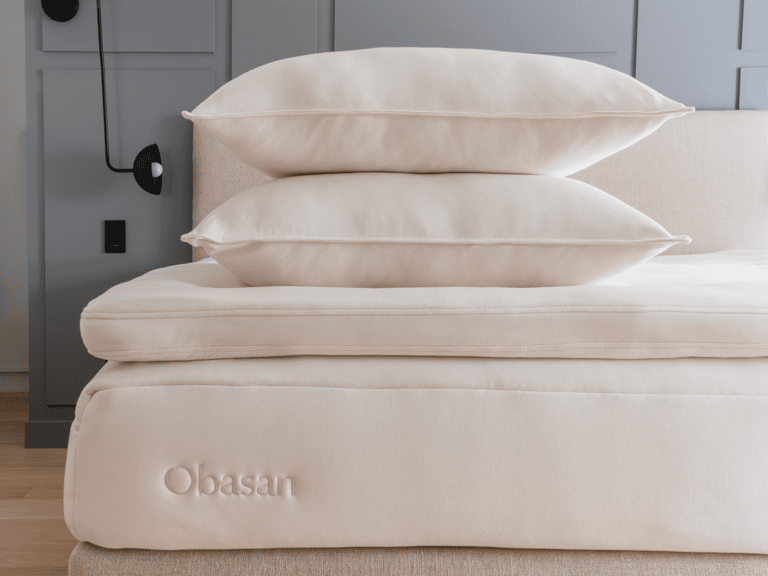
Layers do the work together. The uppermost materials shape the first impression: soft, buoyant, springy, or firm. Beneath them, transition layers can help distribute weight and keep the sleeper from feeling an abrupt change between cushioning and support. A deeper support core helps determine how the mattress responds under heavier areas such as the hips and shoulders. The cover and quilting also contribute to the surface feel, though they cannot compensate for a construction that does not suit the sleeper.
For anyone considering a Naturepedic mattress, the useful question is not simply whether it contains organic or natural materials. It is how the specific model’s components behave as a system. Mattress lines and configurations can differ, and materials, certifications, dimensions, firmness options and care instructions should be checked against the current specifications for the exact model being considered.
What happens when you change position?
Each sleeping position places pressure on the surface in a different pattern. Side sleeping concentrates more weight around the shoulder and hip. Back sleeping distributes weight across a broader area, while stomach sleeping can make the alignment of the pelvis and lower back especially sensitive to how deeply the torso settles. The mattress’s response depends on the sleeper’s build, preferred posture and the interaction of its layers—not on a position label alone.
When a sleeper rolls, the surface must recover and accommodate the new pressure pattern. A responsive construction can make repositioning feel easier; a more slowly conforming material may create a closer, more enveloping sensation. Neither quality is automatically better. Some sleepers value the contouring, while others prefer less resistance when moving. The goal is a feel that remains comfortable across the positions a person actually uses.
Flexibility is also not the same as softness. A mattress can have a cushioned top and a stable support core, or a firmer surface that still responds smoothly. In practical terms, a good fit should allow the shoulder or hip to settle enough for comfort while preventing the rest of the body from feeling unsupported. If pressure builds in one position, or the waist and lower back seem to sag in another, the overall balance may not be right for that sleeper.
- On the side: Notice whether the shoulder and hip feel compressed, and whether the spine seems to remain comfortably aligned.
- On the back: Consider whether the surface supports the lower back without producing a rigid, pushed-up sensation.
- On the stomach: Pay attention to whether the midsection sinks more than feels comfortable.
- During transitions: Observe whether turning feels easy, slow, or effortful, and whether the mattress quickly settles after movement.
Reading the layers: comfort, transition and support
Mattress descriptions can make construction sound like a list of ingredients. To interpret that list, it helps to think in terms of function. The comfort layer is closest to the body. It influences initial cushioning and pressure relief. A transition layer, when present, can soften the move from the surface into the support system. The support core provides the deeper structure that affects stability and how weight is carried across the mattress.
These roles are related but not interchangeable. A thick comfort layer may feel plush at first, yet the experience further down depends on what supports it. Conversely, a durable, firm core does not guarantee a comfortable surface for every body. When comparing Naturepedic models, look for a clear account of the materials, their placement and the available firmness or configuration choices. If a detail is not explained, the manufacturer’s current product information is a better reference than assumptions based on a brand name or a general category.
Layer thickness, density and arrangement can influence feel, but no single specification predicts comfort for everyone. Two sleepers of different sizes may experience the same mattress differently because they load its layers differently. A person who changes positions often may also prioritize a different response from someone who sleeps mostly in one posture. That is why a trial, when available, and a careful review of the return terms can be as important as a materials list.
Latex mattress flexibility: buoyancy, contour and rebound
Latex is often discussed in terms of resilience and buoyancy. In a mattress, its precise feel depends on the latex type, firmness, thickness and construction. A latex layer may compress under pressure and recover relatively readily, which can give the surface a springier, less slowly enveloping quality than some other foams. For position changes, that rebound may feel lively to one sleeper and too buoyant to another.
Latex mattress flexibility does not mean that every latex design bends or conforms in the same way. A thinner layer over a supportive core can feel quite different from a thicker, softer layer. If the mattress is modular or offers selectable comfort components, the arrangement and firmness of those components become part of the experience. Always confirm whether a particular Naturepedic model actually offers adjustable layers; customization varies by product and should not be inferred from the broader category.
Natural-material descriptions also warrant a close reading. Terms such as “natural,” “organic” and “certified” refer to different things and do not, by themselves, describe pressure relief or durability. Certifications can help clarify what a standard covers, but they are not a guarantee that a mattress will feel right. Check which components are certified, what the certification applies to and whether the documentation corresponds to the current model.
Why sleep position is only part of the picture
Position is a useful starting point, not a complete formula. Body shape, weight distribution, mobility, temperature preference and sensitivity to pressure all influence how the mattress feels. A side sleeper with broad shoulders may want a different balance of surface give and support from another side sleeper. Two people sharing a bed may also have different requirements, making motion transfer and each sleeper’s side of the surface worth considering.
Pillows matter, too. A mattress can support the torso while a pillow holds the head at an uncomfortable angle. Side sleepers often need enough loft to fill the space between shoulder and head, while back sleepers may prefer a lower profile; individual needs vary. If changing positions makes the neck feel out of line, assess pillow height and shape alongside the mattress rather than assigning every discomfort to the bed.
For adjustable-bed users, compatibility is another practical question. A mattress intended for an adjustable base must be suitable for the base’s movement and the manufacturer’s specified use. Verify compatibility for the exact mattress and base combination, including any limits on bending, setup or warranty coverage. A flexible feel alone does not establish that a mattress is approved for an adjustable foundation.
A practical way to evaluate a customizable sleep setup
Shopping decisions are often made from a quick first impression. A more useful test gives the body time to register different pressures and positions. In a showroom, where testing is possible, lie in the positions you actually use. At home, follow the maker’s trial guidance and allow a reasonable adjustment period, while noting any persistent discomfort. A mattress can feel unfamiliar at first, but ongoing pain or significant disruption is a reason to seek advice rather than simply endure it.
- Identify the positions you use most. Include the position in which you wake, not only the one in which you fall asleep.
- Compare surface and deeper support. Ask whether the first touch feels comfortable and whether the body still feels supported after several minutes.
- Test a position change. Roll from side to back and back again. Notice rebound, resistance and whether the surface settles smoothly.
- Review exact construction details. Confirm material names, layer order, firmness options and any customization offered for that model.
- Check the foundation requirements. Verify that the frame or adjustable base is appropriate and meets the manufacturer’s instructions.
- Read the terms before purchase. Understand trial periods, return costs, warranty conditions, delivery arrangements and care requirements.
Materials, certifications and care
For shoppers drawn to organic bedding, a mattress’s material story can be central to the decision. Yet a credible evaluation separates the environmental or chemical standards a certification addresses from the comfort questions a sleeper must test personally. Review certification names and scope, and distinguish a certified component from a claim that may apply only to selected materials. If information is unclear, ask for documentation for the specific configuration rather than relying on a general statement.
Care guidance is another part of long-term suitability. Some mattresses have removable or washable covers; others require spot cleaning or protective bedding. Never assume that a cover can be removed or that the mattress core can be washed. Follow the current manufacturer’s directions, use a suitable protector if recommended, and make sure sheets and protectors fit the mattress depth. Care practices can help maintain a clean sleep surface, but they do not change the underlying firmness or make an unsuitable layer arrangement more comfortable.
Breathability and temperature are similarly personal. Fabric, quilting, the materials beneath the cover, room conditions and bedding all contribute to how warm a bed feels. If temperature is a concern, assess the entire sleep system: mattress, protector, sheets, duvet and bedroom environment. A material description alone cannot guarantee a cooler night, just as an organic label cannot predict a particular sleeper’s comfort.
Common assumptions worth questioning
- “One firmness works for every side sleeper.” Body shape, pressure sensitivity and preferred feel vary. A position-based rule can narrow choices, but it cannot determine fit on its own.
- “More layers mean better comfort.” Layer count is not a quality score. How materials work together matters more than the number of components.
- “Natural materials automatically solve sleep problems.” Material choices may align with environmental or personal priorities, but they are not a treatment for pain, insomnia or other health conditions.
- “A mattress that bends is suitable for every adjustable base.” Compatibility depends on the manufacturer’s specifications for both products.
- “A brand-wide description applies to every model.” Construction and options can vary. Verify details for the exact mattress and configuration under consideration.
Comfort is a moving target
The most revealing mattress test may be the simplest: does the surface continue to feel supportive when the body changes its mind? A sleeper’s ideal construction should accommodate the positions they use without excessive pressure, unwanted sinking or a sense of fighting the bed. The answer depends on the relationship between the comfort layers, transition materials, support core and sleeper—not on a single material or marketing phrase.
For a Naturepedic mattress, begin with the exact model’s current layer specifications, then translate those details into questions about feel: How much does the surface give? How quickly does it rebound? Does the construction suit a change from side to back? Is the mattress compatible with the intended foundation? Are certifications and care instructions clear? These questions turn a dense materials description into a practical evaluation.
A customizable sleep setup is most useful when each choice serves a purpose. The mattress should fit the sleeper’s changing posture; the pillow should support the head and neck; the base should be compatible; and the surrounding bedding should suit the room and personal preferences. No layer can promise perfect sleep. But understanding what each layer is designed to do can make the search less about slogans and more about how the bed behaves, night after night.
Frequently asked questions
Do mattress layers affect comfort when I change positions?
Yes. The comfort surface, transition materials and support core work together to cushion pressure, carry body weight and respond as posture changes. Their effects depend on the particular construction and the sleeper.
Is latex always the best choice for combination sleepers?
No. Latex may provide a buoyant, responsive feel, but preference varies. Compare the exact layer design, firmness and overall construction, and evaluate the mattress in the positions you use.
Can I assume every Naturepedic mattress is adjustable or customizable?
No. Options differ by model. Confirm whether the specific mattress offers configurable layers, firmness choices or compatibility with an adjustable base by consulting current manufacturer specifications.
Do organic certifications tell me whether a mattress will feel comfortable?
Certifications can describe standards relevant to materials or processing, but they do not predict personal comfort. Assess feel, support, construction and return terms separately.