A Practical Guide to Choosing Organic Bed Materials for Eco-Friendly Sleep
A thoughtful bedroom begins with the bed you sleep on. In a world increasingly attentive to health, comfort, and the planet, selecting organic bed materials is more than a trend—it is a commitment to quality sleep and sustainable living. This guide explores natural fibers, certifications, and practical design tips to help you build a sleep space that honors both your wellbeing and the earth.
Introduction: Why Organic Bed Materials Matter
Sleep is foundational to health, and the materials we choose for our beds and bedding influence everything from temperature regulation to allergy resilience. Organic bed materials prioritize natural fibers, low-toxicity processing, and transparent supply chains. They offer durable comfort while reducing exposure to synthetic chemicals and off-gassing commonly associated with conventional fabrics and foams. In practice, organic materials can translate to a cooler, more breathable sleep environment, improved skin-health benefits, and a sense of harmony with ecological systems that extend beyond the bedroom door.
Providers and designers increasingly emphasize not just “what” a bed does, but “how” it is made. The convergence of ergonomic design and natural material science yields sleep experiences that support posture, reduce pressure points, and adapt to personal preferences without compromising environmental ethics. For homeowners and renters alike, an eco-friendly sleep setup is achievable through careful material selection, mindful maintenance, and a willingness to prioritize longevity over quick, disposable solutions.
Material Spotlight: Organic Cotton, Latex, Wool, Kapok, and Cotton Blends
Below are core materials that frequently appear in organic sleep systems. Each offers a distinct balance of comfort, durability, care requirements, and ecological footprint. Understanding their properties helps you tailor a bed toward your sleep position, climate, and sensitivity to allergens.
Organic Cotton
Organic cotton is produced without synthetic pesticides or genetically modified seeds, typically accompanied by certifications such as GOTS (Global Organic Textile Standard). In bedding, organic cotton provides a soft, breathable surface ideal for sheets, pillow covers, and certain mattress covers. It tends to be cooler against the skin and can help minimize skin irritation for sensitive sleepers. Look for long-staple or high-quality combed cotton and verify certification seals to ensure organic integrity.
Natural Latex (Organic or All-Natural)
Latex can come in synthetic, natural, or organic forms. Organic latex is often Dunlop or Talalay processed, with organic certification ensuring purity and sustainability. Latex offers buoyant support, resilience, and excellent pressure relief, which can be beneficial for spinal alignment across various sleep positions. For mattresses, toppers, or pillows, latex contributes to a breathable surface with a characteristic bounce and durability. If you opt for organic latex, confirm that the product carries recognized certifications (for example, GOTS for textiles or equivalent standards for latex materials) and that the overall construction aligns with your bed frame or base.
Wool
Wool is naturally breathable, moisture-wicking, and temperature-regulating. It can function as a natural insulator that adapts to seasonal changes, which helps maintain a comfortable sleep climate. Wool components may appear in mattress toppers, mattress pads, and pillow fillings. As a renewable fiber, wool supports sustainable practices when sourced responsibly. For allergy-sensitive sleepers, high-quality wool often resists dust mites and can contribute to a healthier sleep environment.
Kapok
Kapok is a plant-derived fiber known for its buoyant, airy feel. It can serve as a natural, light fill in pillows and certain comfort layers. Kapok fibers are typically used in blends with other natural fillings to balance softness, resilience, and temperature neutrality. For travelers or households seeking a lightweight option, kapok provides a breathable alternative to heavier foams—the result is a pillow or fill that maintains loft without trapping excess heat.
Cotton Blends and Certifications
While pure organic cotton is a staple, many bed components use blends to optimize feel, durability, and cost. When evaluating blends, prioritize certifications that verify organic content and safe processing. Common certifications include GOTS for textile products and OEKO-TEX for chemical safety. Matched with proper care, organic cotton blends can deliver a comfortable, low-toxicity sleep surface that remains accessible without sacrificing ecological standards.
Practical Design Tips: Sheets, Pillows, and Layers for a Healthy Sleep Environment
Designing a sleep space that is both comfortable and eco-friendly involves thoughtful layering and strategic choices. The goal is to create a harmonious environment that respects your health needs and reduces environmental impact. Here are practical steps to integrate organic materials without compromising comfort.
-
Breathable, organic sheets as a base layer: Start with organic cotton or linen sheets with tight weaves for durability and airflow. Consider thread counts that balance softness and breathability for your climate. Look for certifications that confirm organic content and safe processing.
-
Pillow fills and cases: Choose pillows with organic latex, kapok, or a wool-latex blend. Adjustable fills can offer personalized loft while maintaining a natural composition. Ensure the pillow covers use organic cotton with appropriate certifications to minimize skin contact with potentially irritant agents.
-
Mattress and toppers: If you select a mattress or topper with natural fillings (latex, wool, cotton batting), verify the certification and ensure the cover material is organic. A breathable, non-toxic core helps maintain comfortable sleep temperatures and reduces exposure to potential off-gassing.
-
Layered protection and longevity: Use natural-fiber mattress pads or protectors to extend mattress life and maintain cleanliness. Natural moisture-wicking layers can help regulate humidity and reduce microbial growth, contributing to a healthier sleep zone.
-
Adjustability compatibility: When pairing organic materials with adjustable bed bases, confirm that the materials are resilient and do not impede motion or ventilation. Breathable covers and modular fills can adapt to head, foot, and lumbar adjustments without compromising comfort.
-
Cleaning and care: Organic textiles often require different care patterns than synthetic equivalents. Follow certification-backed care labels, use mild detergents, and avoid harsh chemical cleaners that can degrade fibers over time.
Certifications and Standards: How to Verify Organic Quality
Trust is built through transparent certifications. When you encounter terms like “organic” in bedding and bed components, seek seals that confirm the supply chain integrity, processing standards, and chemical safety. Key certifications to look for include:
- Global Organic Textile Standard (GOTS): Verifies organic content and environmentally responsible processing of textiles, including dyes and finishes.
- OEKO-TEX Standard 100 or other OEKO-TEX certifications: Ensures textiles are free from specific harmful substances and safe for human health.
- GOLS (Global Organic Latex Standard): Addresses organic latex production, including raw material sourcing and processing practices.
- FSC (Forest Stewardship Council): Applies to wood-based components and ensures responsible forestry practices.
- Other regional certifications: Depending on location, regional eco-labels may apply to textiles, foams, or finishings.
Certification credibility matters as much as the materials themselves. Always review product details, supplier disclosures, and third-party testing results when available. By prioritizing certifications, you can make informed choices that align with your sustainability goals and sleep needs.
Case Studies: Designing Eco-Friendly Sleep Spaces
Across households, practical applications illustrate how theory translates into daily life. Consider these representative scenarios that emphasize organic materials and comfortable sleep outcomes without promotional bias.
Case Study A: A Cooler Climate, All-Natural Layers
In a cooler coastal climate, a household opted for organic cotton sheets with a light organic kapok pillow and a latex-blend mattress topper. The team prioritized breathable textiles to manage dampness and layered wool-blend comfort to maintain warmth without overheating. The result was a balanced, irritation-free sleeping surface that stayed comfortable through seasonal shifts, with care routines that preserved fiber integrity.
Case Study B: Allergy-Conscious Design
For a family member with sensitivities, the design focused on natural materials vetted for low allergen load. Organic cotton covers, latex-based components with certification, and wool underlayers created a sleep environment that minimized irritants while providing robust support. The approach demonstrates how organic bed materials can contribute to a calmer, healthier night’s rest for sensitive sleepers.
Case Study C: Minimalist Aesthetic, Maximum Comfort
In a modern bedroom with a minimalist palette, a conscious choice favored simple natural materials. A responsibly sourced wood frame, organic cotton sheets, and a latex mattress topper achieved a serene, low-toxicity space. The focus was on long-lasting durability, easy care, and a quiet, restorative sleep environment that aligns with the principles of sustainable living.
Product Spotlight: A Thoughtful Inclusion
To illustrate how organic bed materials translate into real-world products, consider a carefully curated example that fits the article’s ethos and the site's editorial standards. The aim is to highlight a product that genuinely complements an organic, eco-friendly sleep system without dominating the narrative with overt promotion.
Haven Bed Frame (illustrative product alignment)
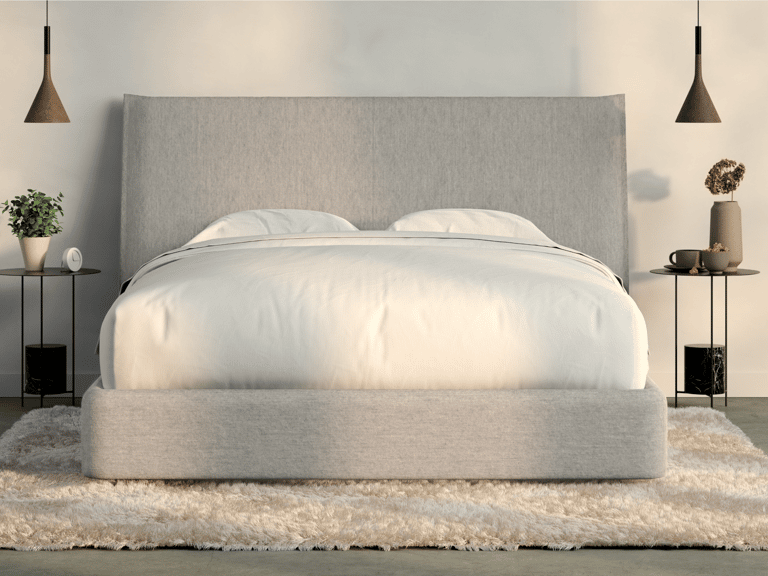
The Haven Bed Frame offers a durable foundation with felted wool upholstery and a sturdy frame. It is designed to provide solid support for a natural sleep system without requiring a traditional foundation or box spring. While the product is not a direct mattress replacement, its emphasis on natural materials and robust construction aligns with an eco-conscious sleep environment. Its wool upholstery signals a tactile connection to natural materials that can complement organic bedding choices in a well-curated eco-bedroom.
The Clean Bedroom Level 4 Adjustable Bed Base (illustrative alignment)
An adjustable bed base that focuses on comfort customization—head and foot lift, lumbar support, massage, and ambient features—demonstrates how flexibility in positioning can support ergonomic alignment. When integrated with organic bedding layers, such a base can maximize comfort while maintaining a clean, modern aesthetic. The key is compatibility with organic materials and non-toxic upholstery or accessories that do not undermine the bed’s eco-driven ethos.
Adjustable Pro 2023 (illustrative alignment)
For readers seeking a sleep system that adapts to daily needs—reading, working, or relaxing—the Adjustable Pro 2023 provides extensive positioning options along with features like dual-zone comfort and a quiet operation profile. When used in concert with organic sheets, latex toppers, and wool-based pillows, it contributes to a holistic approach to healthy sleep without compromising environmental responsibility.
Conclusion: A Path to Sustainable Sleep
Choosing organic bed materials is more than a procurement decision; it is a posture toward health, comfort, and stewardship. By prioritizing natural fibers, certifications, and careful design, you can cultivate a sleep sanctuary that respects your body and the planet. The bed is not just a place to rest; it is a daily act of alignment—with yourself and with the natural world around you.
As you embark on this journey, remember that quality materials endure. Look for transparent sourcing, robust certifications, and honest care guidance. The result is a bedroom that invites restful nights and mindful living—a space where modern technology and organic tradition converge to support both well-being and ecological responsibility.
Further Reading and Resources
To deepen your understanding of organic bed materials and eco-friendly sleep design, consider exploring materials about standard certifications, bedding care guides, and design principles that support sleep health. The following topics are recommended as starting points for informed exploration:
- Certification overviews: GOTS, OEKO-TEX, GOLS, and FSC explained.
- Guides to selecting organic bedding by climate and sleeping position.
- Care routines for natural fibers to maximize longevity.
- Design checklists for an eco-friendly bedroom that promotes sleep harmony.
Note: The product examples above illustrate how organic materials can integrate into a sustainable sleep environment without implying endorsement or advertisement. Always verify current certifications and product specifications before purchase.