Pillows · Sleep ergonomics
Finding the Right Pillow Loft for Natural Latex Support
A pillow’s height can change the way your head, neck, and shoulders settle through the night. The right loft is not a number printed on a label; it is the fit that supports your preferred sleeping position without forcing your body into one.
Published October 19, 2026
A pillow is a small object with an outsized job. It fills the space between the head and the mattress, and its height helps determine how the neck rests while the body sleeps. Too much loft can tip the head upward; too little can let it fall toward the mattress. Either mismatch may feel uncomfortable, though the cause is not always obvious when morning arrives.
That makes pillow loft worth considering alongside firmness, fill, and fabric. Loft describes a pillow’s height, especially as it supports the head under pressure. It is not necessarily the same as the pillow’s measurement on a shelf: a tall, soft pillow may compress substantially, while a lower, more resilient one may hold its shape. The way a pillow behaves beneath a sleeper matters as much as how it looks unused.
Natural latex offers one particular feel in this equation. It is responsive rather than instantly yielding, and it may spring back as pressure shifts. That quality can be appealing to sleepers who want cushioning with a sense of lift. But no material can choose the correct height for everyone. The practical question is more personal: does the pillow keep the head and neck comfortably supported in the position you actually sleep in?
Loft is a question of fit, not a universal rule
Sleep advice often sorts people into tidy categories: side sleepers need a high pillow, back sleepers need a medium one, and stomach sleepers need a low one. These are useful starting points, not laws of anatomy. Body proportions, shoulder width, mattress softness, preferred posture, and the habit of changing positions all affect the space a pillow needs to fill.
Consider two people who both sleep on their sides. One may have broader shoulders or a firmer mattress that allows little sink. Another may have narrower shoulders, a softer sleep surface, or a habit of curling inward. The distance between each person’s head and mattress is different. A pillow that supports one sleeper comfortably could feel too high or too flat to the other.
The goal is not to hold the body in a rigid, idealized pose. It is to find a position that feels easy to maintain, with the head supported and the neck not obviously bent or strained. Since comfort is subjective and pain can have many causes, a pillow adjustment should be treated as a practical experiment—not a diagnosis or a substitute for medical advice when symptoms are persistent.
What side sleeping asks of a pillow
For a side sleeper, the pillow generally has to bridge the space between the outer shoulder and the side of the head. If it is too low for that gap, the head may angle downward toward the mattress. If it is too high, the head may be pushed upward. Either sensation can make it harder to settle comfortably, particularly when the pillow compresses differently over the course of the night.
Shoulder width offers one clue, but it is only one clue. The mattress matters because a shoulder that sinks deeply into a plush surface leaves less distance for the pillow to fill than a shoulder resting on a firmer surface. The pillow’s fill matters, too. A compressible material may flatten under the head; a more resilient material may retain more of its initial height.
Side sleepers can begin by checking how the pillow behaves in their usual position. Rather than judging it by its uncompressed shape, lie down as you would for sleep and notice whether your head feels balanced between the mattress and shoulder. If a pillow has removable fill, take a small amount out or add a small amount in, then give the change several nights before making another adjustment. Changing one thing at a time makes it easier to tell what helped.
Back sleeping calls for a different balance
Back sleepers do not need to fill the same side-to-head gap as side sleepers. A pillow that feels supportive on one’s side may feel too tall when lying on the back, where the shoulders rest on the mattress and the head is centered. Some sleepers prefer a lower, gently supportive profile; others find a more substantial pillow comfortable. The feel depends on the person and on how the pillow compresses.
Pay attention to the transition between the back of the head, the neck, and the mattress. A pillow should feel as though it is supporting the head without pushing it noticeably forward. If the pillow is adjustable, try reducing the fill in modest increments. If the pillow has a fixed shape, changing the angle or orientation may help only if the design allows it; forcing a pillow into a position it was not made for is unlikely to create a reliable fit.
Back sleepers who move between positions may need to make a compromise. The perfect height for lying still on one’s back may not feel ideal after rolling to the side. A responsive pillow can accommodate some movement, but it cannot eliminate the different support needs of different postures. In this case, comfort across the night may matter more than a single position’s exact preference.
Why stomach sleepers often prefer less height
Stomach sleeping places the head turned to one side, and a tall pillow can add more elevation to that posture. Some stomach sleepers therefore find a low-loft pillow more comfortable, while others prefer very little pillow height. The right choice depends on what feels natural and whether the pillow maintains a comfortable position without creating pressure.
A lofty, resilient pillow may feel especially prominent in this position because it can retain more of its height beneath the head. A soft, compressible pillow may feel lower once weight is applied. That difference is one reason material and loft should be considered together rather than as separate specifications.
People who shift from stomach to side or back during the night face the same balancing act as other combination sleepers. A low profile may suit one posture and feel insufficient in another. Instead of pursuing an abstract ideal, observe which positions are most common and which pillow setup remains comfortable as you move.
The distinctive feel of natural latex
Natural latex pillows can be made in different constructions, and those differences shape their feel. A molded latex pillow has a defined form. A shredded or cut latex fill may allow more give and, if the design permits, adjustments to the amount of material inside. Neither construction guarantees a particular comfort outcome. What matters is how the finished pillow responds to the sleeper’s weight and movement.
Compared with softer, more compressible fills, latex often feels more buoyant and responsive. It may cushion the head while recovering its shape as pressure shifts. That response can make a pillow feel supportive to someone who dislikes sinking deeply into a pillow. Another sleeper may prefer a softer, more enveloping feel. Preference is not a verdict on material quality; it is a matter of fit and sensory comfort.
Breathability is another consideration people often investigate when choosing natural latex bedding. Pillow temperature is influenced by more than the fill: the cover, pillowcase, room conditions, bedding layers, and individual sleep habits all contribute. An open, breathable construction and natural-fiber casing may be appealing to those who want airflow, but no pillow can promise a particular temperature for every person.
Natural and organic are not interchangeable terms, either. A material description tells you what a product is made from; a certification, when present and applicable, can provide more specific information about standards. Readers who prioritize certified materials should check the product’s current specifications and certification details rather than relying on a broad label alone.
An adjustable pillow makes testing more practical
A pillow with removable fill turns the search for comfortable loft into a series of manageable adjustments. Instead of replacing a pillow because its height feels slightly wrong, a sleeper can alter the amount of fill—provided the design supports that change—and assess the result. Small steps are more useful than dramatic alterations because they make cause and effect easier to notice.
The Naturepedic Organic Adjustable Latex Pillow is one example of this approach. Its product description identifies shredded latex fill, an easy-access zipper, and a soft organic cotton casing, with fill that can be adjusted to change the pillow’s loft and feel. The cover is described as removable and washable; the latex insert is spot-clean only. Those care distinctions matter: a washable casing does not mean the entire pillow can go into a washing machine.
Before changing fill, check the manufacturer’s instructions and keep any removed material clean and dry. Adjust a little, lie down in your usual position, and assess the result. If the pillow still feels too high or too low, make another small change. For some people, it may help to note the adjustment and the position tested; that simple record can prevent repeated guesswork.
Allow time to evaluate each change. A quick test while sitting upright is not the same as settling into a familiar sleep position, and one night may not tell the whole story. Notice whether the pillow remains comfortable after you shift, whether you wake to reposition it, and whether its support feels consistent. If discomfort persists, revisit the setup or seek qualified professional guidance rather than assuming that a different pillow alone will resolve it.
A simple, measured fitting process
There is no need to turn pillow selection into a technical project. A calm, repeatable process can make the decision clearer:
- Start with your usual position. Use the position in which you spend most of the night, while keeping in mind that many people move.
- Assess the pillow under real pressure. Lie down on your mattress with the pillow in place, rather than judging loft by sight or by pressing it with your hand.
- Notice the head and neck. Look for a relaxed, supported feeling rather than a pronounced tilt, forced posture, or need to prop the pillow up repeatedly.
- Change one variable at a time. If the pillow is adjustable, add or remove a modest amount of fill. Avoid changing the pillow, mattress, and sleeping position all at once.
- Give the adjustment a fair trial. Observe comfort over several nights and across the positions you commonly use.
- Review fit as circumstances change. A different mattress, new sleep habits, or changing comfort preferences can alter what feels right.
This process is intentionally subjective. It does not produce a universal loft measurement, because the meaningful result is how the pillow works with a particular body, mattress, and sleep routine. A product’s stated dimensions can help with comparison, but they cannot fully describe the compressed height or the feeling of support under an individual sleeper.
Care is part of the support story
Pillow fit can change when a pillow becomes lumpy, loses resilience, or is cleaned in a way that damages its construction. Follow the care label, and distinguish between the cover and the fill. With an adjustable latex pillow, the cover may be washable while the latex filling requires spot cleaning. Washing the insert against instructions can affect the material and may shorten its useful life.
A pillow protector can help limit exposure to sweat, skin oils, and everyday soil, while a regular pillowcase provides another removable layer. Airing bedding and laundering washable layers according to their instructions can support a fresher sleep environment. Care is not a promise that a pillow will last indefinitely, but it can help preserve comfort and cleanliness.
When comparing natural bedding, read beyond the material name. Check whether fill is adjustable, how the casing is constructed, what parts can be washed, what must be spot cleaned, and whether replacement or additional fill is available. These details often matter more in daily use than a broad claim about softness or luxury.
What an adjustable base can—and cannot—change
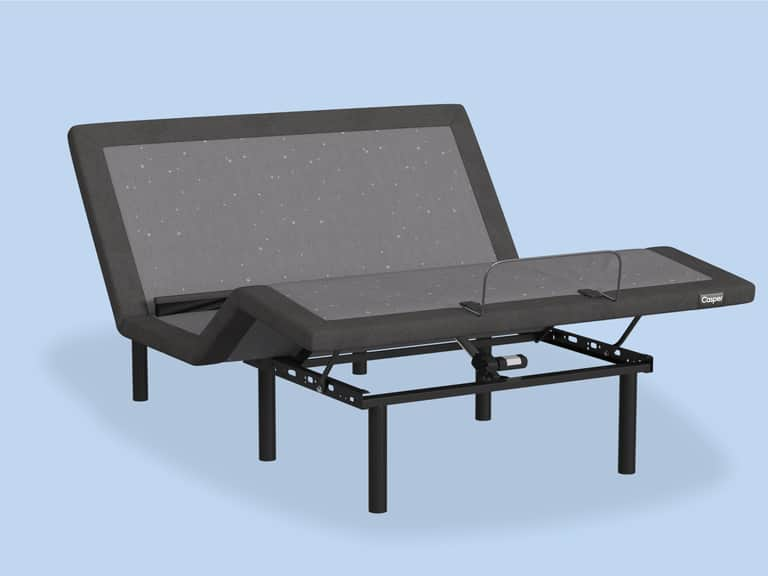
An adjustable bed base can alter the position of the upper body or legs, depending on its design. That may change how a sleeper relaxes or reads in bed, but it does not set the pillow’s loft. A pillow still has to feel comfortable beneath the head in the positions a person uses. Someone who spends time reclining may also use a pillow differently while awake than while sleeping flat.
It is useful to keep these choices distinct. A bed base changes the angle of the sleep surface; pillow loft changes the support immediately around the head and neck. Each can influence personal comfort, but one is not a substitute for the other. If a sleep setup is being changed, test the pillow in the positions that will actually be used rather than assuming that a familiar fit will remain identical at every angle.
The best loft is the one that disappears
People tend to notice a pillow most when it is wrong: too tall, too flat, too warm, too firm, or difficult to reposition. A good fit is less dramatic. It supports the head without demanding attention and allows the sleeper to settle naturally. That quiet usefulness is the measure that matters more than a prescribed height.
For side sleepers, the space between shoulder and head offers a starting point. Back sleepers can focus on whether the pillow feels supportive without pushing the head forward. Stomach sleepers may find that a lower profile feels more comfortable. But these are broad patterns, not instructions that override individual proportions, mattress feel, or preference.
Natural latex brings a particular combination of resilience and response, while adjustable fill can make experimentation easier. A model such as the Naturepedic Organic Adjustable Latex Pillow offers a way to explore changes in loft and feel, with care requirements that should be read closely. The outcome is not guaranteed by the word “latex,” “organic,” or “adjustable.” It comes from finding a height and feel that suit the sleeper, then giving that setup a thoughtful trial.
In the end, pillow loft is not a contest in precision. It is a small piece of a broader sleep environment, alongside the mattress, room temperature, bedding, and habits that shape a night’s rest. Make changes patiently, pay attention to comfort, and treat individual fit as the point—not the exception.
Quick questions about pillow loft and latex support
Is a higher pillow always better for side sleeping?
No. Side sleepers often need a pillow that fills the space between the shoulder and head, but the right height depends on body proportions, mattress feel, and how much the pillow compresses. A higher pillow can be uncomfortable if it pushes the head upward.
Does natural latex feel like memory foam?
Not necessarily. Latex is commonly described as more responsive or buoyant, while memory foam may feel more compressible and contouring. Exact feel varies by construction, density, and design, so material names alone cannot predict personal comfort.
How should I adjust a pillow with removable fill?
Follow the manufacturer’s directions and make small changes. Test the pillow in your usual sleeping position, then give the adjustment time before changing it again. Keep removable fill clean and store it as directed.
Can a pillow correct ongoing neck pain?
A pillow may affect comfort and positioning, but it cannot diagnose or treat the cause of persistent pain. Consult a qualified healthcare professional if pain is ongoing, worsening, or accompanied by other concerning symptoms.