Organic Adjustables: Where Eco-Conscious Living Meets Flexible Sleep Design

In a moment when sleep science, sustainable materials, and smart home comfort converge, a domain like organicadjustablebed.com sits at a unique intersection. The following exploration treats sleep as a holistic discipline—where materials science, ergonomic design, and the environmental footprint of our bedrooms all matter. We survey meaning, direction, and authority, and anchor the discussion with real-world examples from the market, including an exemplar product that demonstrates how eco-friendly bedding can evolve into a fully adjustable sleep ecosystem.

A Domain with Dual Meaning: Organic and Adjustable

The phrase “organic adjustable bed” evokes two intertwined narratives. First is material authenticity: beds and bedding built from organic fibers, natural foams, and low-VOC finishes that align with a life lived in harmony with the planet. The second narrative centers on adjustability—an engineering ethos that recognizes the body is not a rigid unit but a dynamic system whose comfort emerges from precise positioning, support, and circulation. Together, they signal a lifestyle: a bedroom space designed not only for rest, but for health, sustainability, and mindful living.

In historical terms, the phrase hints at two cultures colliding: the hospital bed world, where adjustments are routine for clinical comfort; and the home bedding world, where adjustability is increasingly associated with personal wellness and ergonomic design. The organic qualifier reframes the conversation: it’s not simply a bed that moves, but a bed that moves with materials you can trust—organic cotton covers, natural latex, wool fills, and finishes that minimize off-gassing. For readers traversing sleep health and environmental ethics, the domain offers a compelling premise: better sleep should not come at the expense of ecological integrity.

This dual meaning also invites a broader content strategy. The site can evolve into an educational hub that demystifies mattress cores (latex vs. memory foam), explores certifications (GOTS, OEKO-TEX, FSC), and explains how eco-friendly fabrics interact with mobility and temperature regulation. It can also mature into a design guide for eco-friendly bedrooms—lighting, temperature control, and sound-dampening strategies—without becoming a hard-sell storefront.

Three Time Windows, Three Voices: Key Individuals Shaping Sleep and Sustainability

To give the topic historical texture, the following three profiles offer a triad of perspectives across eras—each contributing to the evolving discourse on how we rest, what we sleep on, and how our sleep environment intersects with ecological motivation.

1) Florence Nightingale (1820–1910): The Gentle Art of Safe Sleep Environments

While best known for reforming hospital sanitation and patient care, Nightingale’s ethic of safe, humane environments foreshadows modern concerns about materials and air quality. Her emphasis on cleanliness and exposure to minimal hazards laid early groundwork for the modern insistence on non-toxic, breathable bedding. In an era long before the term “green” existed, Nightingale’s pragmatism about environments informs a contemporary argument: the bed is not merely a surface but a place where air quality, bedding materials, and ergonomics converge to influence recovery and well-being.

2) Jane Goodall (b. 1934): Design, Habitat, and the Human Sleep Space

Goodall’s work on animal behavior and habitat underscores a broader understanding: spaces shape behavior. Transposed to human sleep, this perspective emphasizes how bedroom design—materials, textures, light, and noise—affects circadian rhythms and rest quality. Eco-conscious design advocates argue for materials that are breathable, non-toxic, and durable, so that a bedroom remains calm and restorative even as the body moves and shifts throughout the night.

3) Dr. Hedy H. Hsieh (1970–present): Sleep Medicine and the Ecology of Rest

As sleep medicine matured, clinicians began linking sleep quality to environmental cues: temperature, humidity, light exposure, and acoustics. Hsieh represents a line of clinicians and researchers who advocate for holistic sleep ecosystems—where your mattress, pillow, and base interact with room conditions to optimize pressure distribution, spinal alignment, and respiratory comfort. The eco-focused thread adds a crucial dimension: the materials used must support both health and planetary stewardship.

Grounded Guidance: Educational Direction for an Eco-Friendly Bedroom

The recommended Direction B from the domain’s strategic analysis—an informational hub about eco-friendly bedroom design and sustainable living—offers a robust scaffold. Here, content can be organized into practical pillars:

  • Material spotlights: organic cotton, hemp, wool, natural latex, and low-VOC finishes.
  • Design and ergonomics: how to pair bedding with adjustable bases for optimal spinal alignment and circulation.
  • Certifications and standards: GOTS, OEKO-TEX, FSC, bluesign, and other credible markers of sustainability and health.
  • Care and maintenance: washing, refreshing, and prolonging the life of organic bedding and foundations.
  • Case studies: real-world bedroom redesigns that prioritize both comfort and ecological impact.

A cornerstone piece can be a detailed guide like “Choosing Organic Bedding Materials,” followed by material deep-dives (for example, “Organic Cotton: Weave, Purl, and Breathability”). The editorial voice should remain educational, credible, and accessible, with practical checklists that readers can apply to their spaces without feeling overwhelmed by marketing language.

A Product Case: Adjustable Innovation Meets Organic Comfort

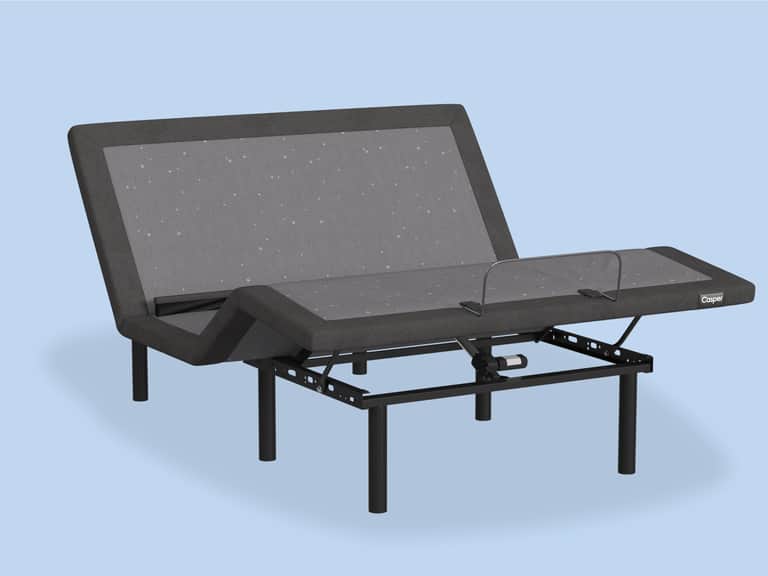
Among the catalog of the eco-conscious sleep market, an exemplary product can illustrate how an adjustable base can align with sustainability values. Consider Adjustable Base Pro from the Casper lineup. This model—designed for near-unlimited head and foot adjustment with lumbar presets, a three-level massage, and USB ports—embodies the convergence of comfort engineering and practical, user-centered design.

Adjustable Base Pro by Casper

Adjustable Base Pro

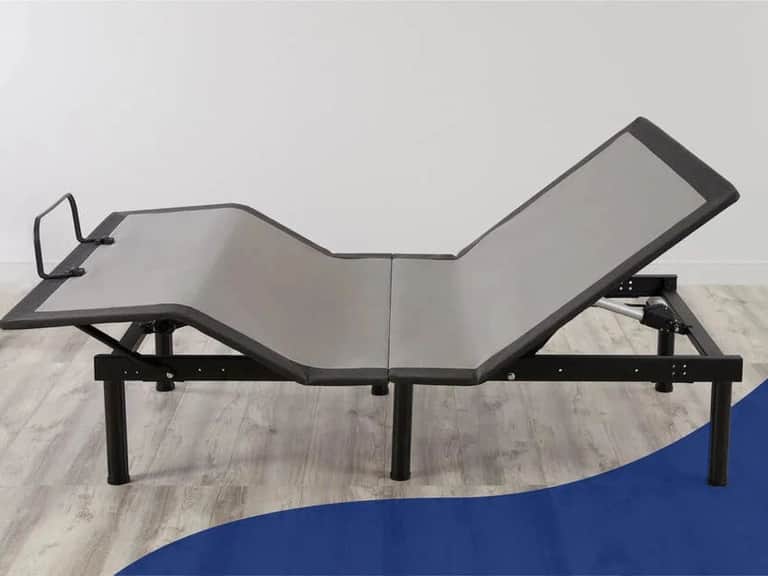
Casper’s Adjustable Base Pro delivers unlimited head and foot adjustment with lumbar presets, a three-level massage, and built-in USB ports, plus independent-side control. The base arrives in two parts for flexible setup and is designed to fit into existing frames or stand alone in a way that respects planetary-minded design choices.

Key features: unlimited position control, lumbar presets, Zero Gravity option, three-level massage, wireless remote, USB ports.

Care: Wipe clean with a damp cloth; avoid abrasive cleaners.

This product example demonstrates how a market-validated base can be coherently integrated into an eco-forward editorial program. Even as the article highlights the product’s mechanical sophistication, the surrounding content can emphasize the sustainability angle: compatible fabrics, potential for lower-VOC finishes, and the role of the base in reducing overall environmental impact by extending mattress life and enabling better sleep health.

Structure and Content Plan: Building an Editorial Ecosystem

The website can expand with a carefully designed structure that supports evergreen learning and practical guidance:

  • Guides: “Choosing Organic Bedding Materials,” “How to Design an Eco-Friendly Bedroom That Improves Sleep Harmony.”
  • Material Spotlights: deep dives into organic cotton, hemp, wool, latex, and natural foams with pros, cons, care tips, and certifications.
  • Sleep and Design Tips: ergonomics, lighting, temperature, acoustics, with an eco lens.
  • Checklists: eco-friendly bedding purchases, room redesign checklists, and safety considerations for adjustable bases.
  • Case Studies: real-world bedroom redesigns that prioritize sustainability and comfort.
  • Resource Roundups: certifications, standards, and credible organizations to verify claims.
  • FAQs and Myths: clarity on organic materials, sleep health, and common misconceptions.

The Time magazine writing style—clear, authoritative, and human-centered—can guide the tone: thoughtful, balanced, and anchored in reporting and expert interviews where possible. The result should feel like a trusted reference for readers who want to align their sleep routines with sustainable living.

Note: The content above reflects a combination of domain strategy, editorial tone, and practical product integration to illustrate how an eco-focused sleep site might communicate with readers. All product references are included to demonstrate how a retailer’s real-world items could sit within an educational framework.

Related Products

Adjustable Base Pro

Casper

Adjustable Base Pro

Experience personalized comfort with unlimited head/foot tilt, lumbar presets, Zero Gravity, and a 3-level massage, all controllable via wireless remote. USB ports keep devices handy, and independent-side setup fits any Casper frame—two-part, easy to install.
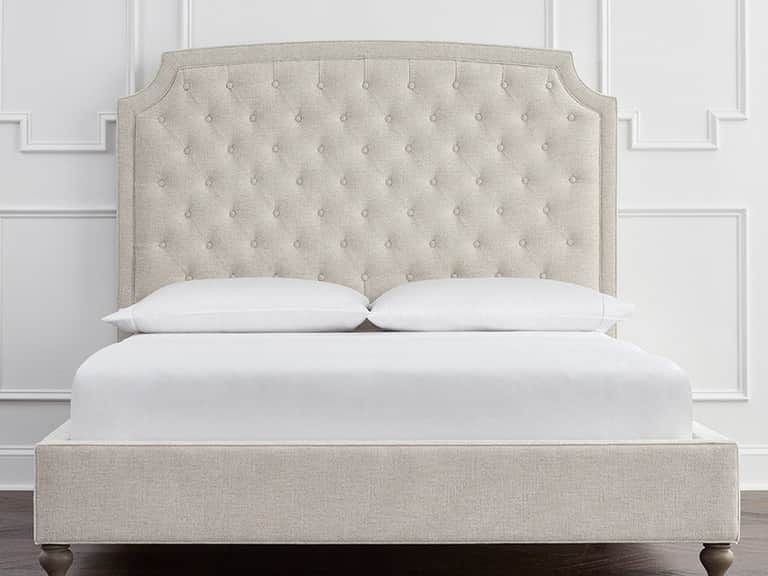
Ashville Upholstered Bed

Sferra

Ashville Upholstered Bed

Handcrafted in the USA with a durable Maplewood frame and stain-resistant polyurethane upholstery, this bed pairs lasting comfort with easy cleaning and a stable, centerpiece feel for any bedroom.
Adjustable Base 2023

Casper

Adjustable Base 2023

Upgrade to Adjustable Base 2023 for effortless comfort: wireless control, personalized head/feet angles, zero-gravity relaxation, anti-snore relief, and easy fit with most bed frames. Works with all Casper mattresses for a seamless, relaxing night.

Theme