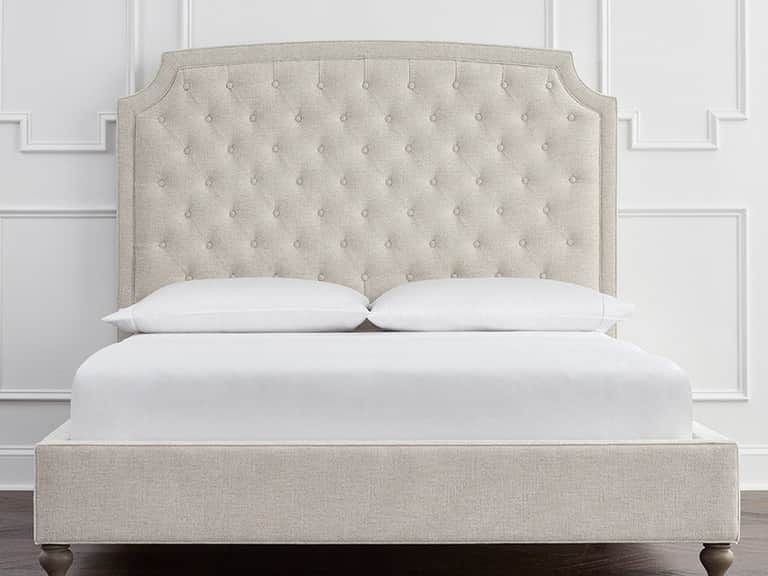
Eco-Friendly Sleep: Designing a Calm, Organic Bedroom for Modern Living
A long-form exploration of sustainable materials, ergonomic design, and the art of turning a bedroom into a sanctuary of rest — with practical guides, historical perspectives, and a look at real-world products that align with an organic, adjustable sleep environment.
A Domain with Intent: What OrganicAdjustableBed.com Signals
From its name, organicadjustablebed.com invites readers to consider two intertwined ideas: materials that are natural or non-toxic, and technologies that adapt to personal comfort. This combination places sleep squarely at the intersection of health, design, and environmental stewardship. Across cultures and epochs, the human relationship with sleep has always been mediated by the spaces we inhabit — a bed is never merely a surface; it is a biophysical instrument that shapes posture, circulation, and mood.
In a broader sense, the domain suggests a trajectory for a site that could range from an educational resource about sleep ergonomics and organic bedding materials to an eco-conscious design hub. It can also accommodate thoughtful, non-commercial wellness perspectives that avoid heavy product push while providing credible, research-informed guidance. The three-direction framework outlined in the domain analysis—educational resource, eco-friendly design hub, and wellness-focused content about adjustable sleep—offers a roadmap for cultivating authority without becoming a sales channel.
Three Time-Windowed Voices: Key Figures Shaping Sleep and Space
To ground a discussion about sustainable sleep and adjustable, organic bedding in a human story, we revisit three influential figures from different eras who illuminate how we think about beds, materials, and the environments that cradle our rest.
-
Hypnos of Ancient Greece (c. 7th century BCE): The personification of sleep, Hypnos embodies the primal human need for restorative respite. While not a scientist, his mythic presence foregrounds the bed as a threshold between wakefulness and dreams. In a modern context, Hypnos reminds us that comfort, silence, and darkness are not mere luxuries but essential scaffolds of healthy sleep. The narrative arc from myth to science anchors a holistic design philosophy: the bed is a sanctuary where body, mind, and environment converge.
Takeaway: The bed’s purpose transcends function; it is a gateway to equilibrium. Materials chosen for organic quality and natural acoustics support Hypnos’s ancient intuition in today’s bedrooms.
-
Florence Nightingale (1820–1910): A pioneer of modern sanitation and hospital design, Nightingale’s emphasis on hygiene, air, lighting, and ergonomics reverberates in today’s emphasis on breathable fabrics, low-VOC finishes, and temperature regulation. Her influence helps justify a bed and room plan that prioritize non-toxic materials, easy-to-clean surfaces, and climate-conscious design decisions.
Takeaway: In organic bedding, cleanability and material integrity are non-negotiables. The quest for healthier sleep begins with materials that meet high standards of purity and performance.
-
Don Norman (1954–): A design thinker who championed user-centered design, Norman’s work on everyday products—comfort, usability, and affordances—provides a framework for eco-conscious bedrooms. His ideas invite readers to test materials, adjustability, and layouts that respect natural rhythms while offering practical adaptability. In our era, this translates to adjustable bases, modular pillows, and organic textiles that respond to various sleep postures without sacrificing environmental values.
Takeaway: An eco-friendly bedroom thrives on intelligent design that adapts to human needs while minimizing environmental impact.
Direction B in Practice: An Informational Hub for Eco-Friendly Bedroom Design
The recommended website identity leans toward an informational hub that celebrates eco-friendly bedroom design and sustainable living. This direction blends materials science, interior design principles, and sleep science into content that informs rather than sells. It also invites readers to become researchers of their own sleep, encouraging questions like: How do organic textiles influence heat transfer and breathability? Which certifications assure non-toxicity and environmental responsibility? How can a bedroom’s layout reduce energy use or improve circadian alignment?
To deliver a robust, credible experience, the site can publish evergreen guides, checklists, design case studies, and resource roundups. It can also host material spotlights that evaluate organic cotton, hemp, wool, latex, and natural foams—covering pros, cons, care tips, and sustainability credentials. The content can weave in practical steps for readers to audit their spaces, rather than pressuring them toward purchases. Mid- to long-term monetization can originate from affiliate links handled transparently, sponsorships that align with sustainability values, and premium educational content.
A Practical Site Structure: Navigation, Content, and Authority
Building authority over time involves a well-organized architecture that guides readers through a cohesive experience. A suggested main navigation could include:
- About Organic Sleep and Materials
- Materials Spotlight (organic cotton, hemp, wool, latex, natural foams)
- Eco-Friendly Bedroom Design (lighting, temperature, acoustics, layout)
- Ergonomics and Sleep Health (posture, positioning, and comfort)
- Care and Maintenance (cleaning, longevity, non-toxic care)
- Certifications and Standards (GOTS, OEKO-TEX, FSC, low-VOC)
- Case Studies and Reader Stories
- Glossary and Myth-Busting
Within each category, long-form articles, how-tos, and checklists can be interlinked to deepen understanding and encourage practical action. For example, a cornerstone guide might be “Choosing Organic Bedding Materials” paired with sub-articles on individual fibers, care protocols, and certification badges. A design-focused hub could feature “How to Design an Eco-Friendly Bedroom that Improves Sleep Harmony,” with sections on light control, temperature management, and sound-proofing using natural materials.
Product Spotlight: The Modern American Trellis Bed as a Case Study
In a thoughtful exploration of sustainable furniture as part of a sleep environment, the Modern American Trellis Bed exemplifies how a bed can blend form, function, and environmental responsibility. This solid hardwood bed, finished with an eco-friendly linseed oil and wax, is customizable in cherry, maple, or walnut, and designed to endure across generations. While the site’s focus is educational and design-forward rather than sales-first, highlighting a product like this helps readers visualize how sustainable materials translate into real-world sleep spaces.
The bed’s construction—solid hardwood, minimalist joinery, and a finish chosen for low pink noise emission—speaks to a philosophy that values longevity and an understated aesthetic. Readers can consider how similar choices in materials, finishes, and assembly methods influence indoor air quality, durability, and the lifecycle footprint of a bedroom ensemble. This case study anchors abstract ideas about organic materials in tangible, design-forward furniture that respects both health and environmental imperatives.
Product: Modern American Trellis Bed
Brand: Vermont Furniture Designs
Finish: Linseed oil and wax; customizable in cherry, maple, or walnut
Key considerations for readers:
- How finishes affect indoor air quality and allergen exposure
- Lifecycle considerations: durability, repairability, and end-of-life options
- Aesthetic alignment with a calm, natural palette in the bedroom
Materials Spotlight: Organic Textiles and Natural Fillings
Eco-conscious bedrooms begin with the fabrics that touch our skin and the materials that support the bed itself. The ongoing conversation around organic textiles covers threads that matter—certifications, chemical treatments, and the environmental footprint of the supply chain. Readers should understand the differences among organic cotton, hemp, wool, latex, kapok, and other natural fillings, along with their respective pros and cons for temperature regulation, breathability, and comfort.
For instance, organic cotton offers a familiar interface with breathable comfort, but the production process and dye methods matter. Hemp fabrics can provide durability and a cooler touch, while wool offers excellent temperature regulation and moisture management. Latex, particularly natural Dunlop or Talalay variants, delivers resilience and contouring without relying on synthetic foams. Kapok, a lighter fiber, contributes to buoyant, airy pillows and down-alternative fillings. A future-forward guide could pair each fiber with care tips, certifications (GOTS, Global Organic Textile Standard; OEKO-TEX Standard 100), and environmental considerations from cradle to grave.
Sleep Ergonomics in an Organic World
Ergonomics remains central to healthy sleep. An eco-friendly bedroom that prioritizes organic materials should also embrace principles of spinal alignment, pressure distribution, and microclimate control. Readable advice includes selecting pillow heights for different sleep positions, using adjustable bases that support the spine without encouraging unsustainable mechanical complexity, and choosing blankets and sheets that balance warmth with breathability. In this context, an adjustable bed system can be designed with low-toxicity components, mechanical efficiency, and modular replacement parts to extend life cycles and reduce waste.
Furthermore, care rituals matter. Simple routines around washing, fabric care, and routine air quality checks can dramatically improve sleep outcomes while keeping ecological considerations in the foreground. The goal is a bedroom that feels timeless, not ephemeral; a space that improves sleep by aligning with natural cycles and a respect for the materials that cradle our bodies each night.
Case Studies: Reader Stories of Sustainable Redesigns
Real-world narratives anchor editorial authority. Consider a family that replanted their bedroom with low-emission paints, introduced organic cotton bedding, and selected a bed with a linseed-oil finish. Another reader might retrofit a room with hemp-blend curtains, wool insulating panels, and a latex pillow system that can be adjusted to the precise loft needed for each sleeper. Case studies illuminate the practical steps of transforming a sleep space into a sustainable oasis. They also highlight challenges—budget constraints, availability of certifications, and the ongoing maintenance required to preserve non-toxic environments.
These stories, when presented with thoughtful craft, embed readers in a movement toward a healthier, more environmentally conscious lifestyle. They also demonstrate that sustainable living is not a sacrifice but a philosophy that yields lasting comfort and improved well-being.
Certifications, Standards, and Practical Guidance
To help readers discern quality and safety, the article can act as a practical glossary and guide to certifications. Key terms include GOTS (Global Organic Textile Standard), OEKO-TEX, FSC (Forest Stewardship Council), and VOC (volatile organic compounds) limits in paints and finishes. Readers benefit from a straightforward checklist for evaluating products and spaces:
- Material origin and traceability
- Certifications and third-party testing
- Indoor air quality considerations (ventilation, moisture control, allergen reduction)
- Lifecycle impact and repairs vs. replacements
- Care and maintenance that preserve non-toxic properties
By demystifying certifications and presenting actionable steps, the site can empower readers to make informed decisions that honor both personal health and planetary health.
A Note on Future Content and Editorial Calendar
As an evergreen publication, Organic Adjustable Bed should consider an editorial rhythm that balances deep-dive guides with timely design trends and research updates. A 12-week editorial calendar could feature cornerstone pieces such as:
- Choosing Organic Bedding Materials: A Comprehensive Guide
- How to Design an Eco-Friendly Bedroom That Improves Sleep Harmony
- Material Spotlight: Organic Cotton vs. Hemp in Bedding
- Certifications Decoded: What They Mean and Why They Matter
- Case Study: A Healthy Bedroom Makeover from Start to Finish
- Care Rituals for Non-Toxic Bedding and Surfaces
Beyond that, the site could host expert Q&As, roundups of eco-friendly certification bodies, and curated resources for readers seeking further education. The overarching aim is to maintain a voice that is credible, approachable, and informative—one that invites readers to become actively engaged in shaping their own sleep environments.
Conclusion: A Bedroom that Aligns Comfort, Ethics, and Time
In the era of climate-conscious consumerism, a bedroom grounded in organic materials and thoughtful design is more than a lifestyle choice. It is a statement about how we value rest, how we treat the spaces that cradle us, and how we honor the resources that sustain us. By weaving together the threads of ergonomic sleep science, organic materials, and sustainable design, Organic Adjustable Bed can become a trusted companion for readers seeking a calmer, healthier, and more environmentally aligned night’s rest. The bed, in this vision, is not merely a platform for sleep but a forward-looking instrument that supports our best days by night—and by design.
Product Spotlight
Modern American Trellis Bed
Solid hardwood construction; eco-friendly linseed oil and wax finish; customizable in cherry, maple, or walnut.